

Horse racing has long been a beloved sport, with its origins tracing back centuries. In recent years, however, there’s been a significant shift towards new formats and concepts in horse racing, encapsulated in the growing trend of races that are not traditionally marketed or covered. This article delves into the world of new horse racing, particularly events that may not be on the mainstream radar but are gaining traction among enthusiasts. For more information about this interesting topic, visit New Horse Racing Not On Gamstop www.porphyrios.co.uk.
Understanding the Shift in Horse Racing
The traditional horse racing landscape has faced numerous challenges, including declining viewership and changing audience demographics. To address these issues, organizers and promoters are experimenting with new ideas and formats. These innovations aim to attract younger audiences, engage casual fans, and create a more inclusive horse racing culture.
Emergence of New Race Formats
One of the notable changes in horse racing is the introduction of shorter, faster races. These new formats focus on quick thrills and engaging narratives, often resembling the fast-paced excitement found in sports like MMA or Formula 1. Quick sprints and shorter events are designed to cater to audiences with shorter attention spans.
Integration of Technology and Media
As technology has advanced, so too has the way horse racing is presented and experienced. Virtual reality experiences allow fans to immerse themselves in the race, while online betting platforms have made it easier than ever to participate from anywhere. Social media platforms have also created communities for fans to connect, share experiences, and promote lesser-known races.
Focus on Animal Welfare and Transparency
Alongside these changes, there’s been a growing emphasis on animal welfare within the sport. New race organizations are prioritizing transparency and ethical practices, often drawing attention to their efforts through social media campaigns. This move is critical for attracting a socially conscious audience that values ethical treatment of animals.
Highlighting Independent and Local Racing Events
In addition to traditional events, there is a surge of interest in independent and local races that may not be widely publicized. These events often showcase local talent and unique cultural elements, providing a fresh perspective on the sport. Such races help to foster community spirit and introduce newcomers to the joy of horse racing.
Collaboration with Other Sports and Entertainment
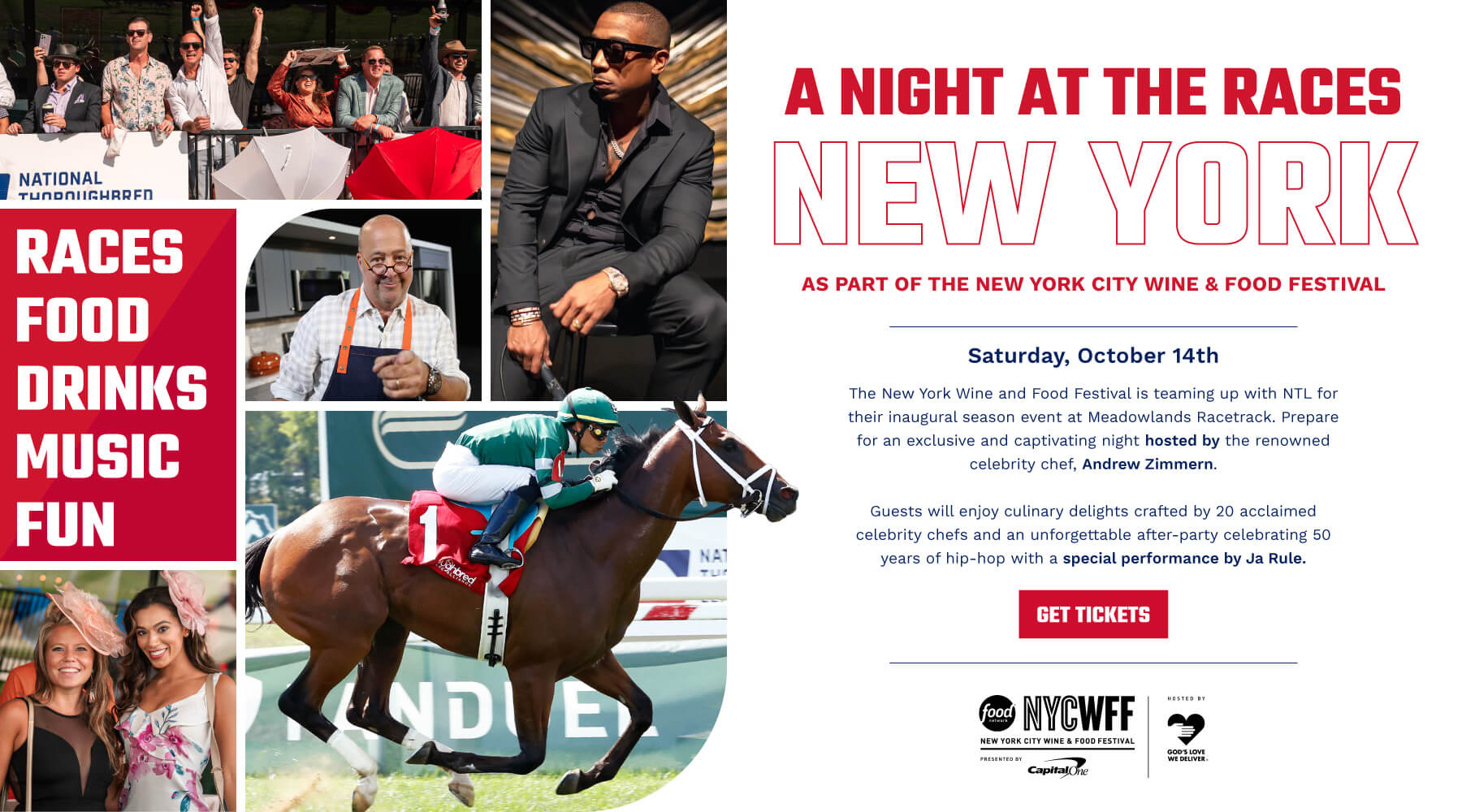
Another trend is the collaboration between horse racing and other sports or entertainment forms. Events that combine horse racing with music festivals, food fairs, and other attractions are becoming increasingly popular. These hybrid events provide a comprehensive experience that captures the excitement of racing along with entertainment, making it appealing to a broader audience.
The Role of Sponsorship and Partnerships
Sponsorships have always played a pivotal role in horse racing. However, new partnerships are emerging that reflect current trends and audience interests. Brands looking to reach younger consumers are collaborating with horse racing events to create unique marketing campaigns that resonate with their target demographics.
For the Love of the Sport: Community Engagement Initiatives
Many new racing initiatives are focused on community engagement, bringing together fans, families, and equestrian enthusiasts. From educational programs that teach youth about horse care to family-friendly race days, these efforts aim to cultivate a deeper appreciation for the sport and its participants.
The Future of Horse Racing: Predictions and Trends
Looking ahead, the horse racing industry will continue to evolve. Events that do not fit the traditional mold may gain more prominence, driven by technological advancements, changing demographics, and a shift in consumer preferences. The challenge will be keeping the essence of horse racing alive while innovating and adapting to meet new audience demands.

Conclusion
New horse racing concepts that are not always on the mainstream agenda are reshaping the landscape of this historic sport. By embracing change, fostering community engagement, and prioritizing ethical practices, the industry can revitalize itself and cultivate a new generation of fans. Whether it’s through tech-driven experiences or local events, the future of horse racing looks promising, rich with opportunities to engage, innovate, and inspire.