
Nel 2026 i jackpot dei casinò online rappresentano ancora una delle attrattive più potenti per chi cerca emozioni ad alto impatto e la possibilità di trasformare una puntata modesta in una vincita a sei cifre. La crescente varietà di slot progressive, i bonus di benvenuto più generosi e le piattaforme non AAMS hanno reso il mercato più competitivo, ma anche più complesso dal punto di vista del rischio.

casino non aams è un punto di riferimento utile per chi vuole approfondire le dinamiche di questi giochi, soprattutto per valutare la sicurezza delle offerte e confrontare le recensioni dei vari operatori.

In questo articolo esamineremo otto temi fondamentali: il linguaggio tecnico dei jackpot, le probabilità reali di vincita, le migliori pratiche di budgeting, la psicologia che agisce durante le sessioni ad alto payout, le tecnologie emergenti come RNG certificati e blockchain, le strategie per gestire una vincita improvvisa, gli strumenti di gioco responsabile messi a disposizione dei casinò e, infine, un caso studio concreto di un jackpot da €10 milioni vinto nel 2026. L’obiettivo è fornire al lettore una road‑map completa per giocare in modo consapevole, limitare le perdite e massimizzare il valore di un eventuale colpo di fortuna.

1. Il linguaggio dei jackpot: termini chiave da conoscere

Nel mondo delle slot, parole come “progressivo”, “fixed” e “capped” non sono semplici etichette di marketing, ma elementi che definiscono la struttura del premio. Un jackpot progressivo cresce ad ogni scommessa effettuata su una rete di giochi collegati; il valore può raggiungere decine di milioni, come nel caso di Mega Moolah, dove il record del 2025 ha superato €18 milioni. Un jackpot fixed rimane costante, ad esempio €5 000 su Starburst per alcune versioni premium, e non dipende dal volume di gioco. Il capped è una via di mezzo: il premio aumenta fino a un tetto predefinito, poi si “resetta” dopo il colpo.

La hit frequency indica quante volte, in media, una giocata attiva una combinazione vincente; una frequenza alta (es. 30 %) può dare la sensazione di vincite frequenti, ma spesso corrisponde a premi minori. La payline è la linea su cui i simboli devono allinearsi per generare un pagamento; slot moderne offrono fino a 243 modi di vincere, complicando il calcolo della probabilità di colpire il jackpot.

Tipo di jackpot Esempio di slot Massimo storico Meccanismo di crescita
Progressivo Mega Moolah €18 milioni Incremento per ogni spin su rete di giochi
Fixed Starburst €5 000 Premio fisso, non influenzato dal volume
Capped Mega Fortune €10 milioni (capped) Cresce fino al tetto, poi si resetta

Capire questi termini è il primo passo per valutare il vero livello di rischio: un jackpot enorme ma con bassa hit frequency richiede un approccio più cauto rispetto a un premio più piccolo ma con probabilità più alte.

2. Analisi delle probabilità: calcolare le chance reali di vincita

Le probabilità di colpire un jackpot si sintetizzano in tre metriche fondamentali: RTP (Return to Player), volatilità e varianza. Un RTP del 96 % indica che, in media, il 96 % della scommessa torna al giocatore nel lungo periodo; tuttavia, per i jackpot, l’RTP complessivo è spesso separato da un “RTP jackpot” più basso, perché gran parte del ritorno è concentrato nei piccoli premi.

La volatilità misura la rapidità con cui le vincite si manifestano. Slot ad alta volatilità, come Mega Fortune, pagano raramente ma offrono premi enormi, mentre quelle a bassa volatilità forniscono vincite più frequenti ma di valore contenuto. La varianza è l’indicatore statistico della dispersione dei risultati; alta varianza corrisponde a fluttuazioni estreme, tipiche dei giochi progressive.

Strumenti online – ad esempio simulatori di RTP integrati nei forum di appassionati – permettono di inserire la puntata media, la frequenza delle linee attive e il valore del jackpot per ottenere una stima della EV (Expected Value). La formula semplificata è EV = RTP × puntata, ma per i jackpot bisogna sottrarre la probabilità di colpire il premio massimo (ad esempio 1 su 30 milioni).

È cruciale interpretare questi dati senza cadere nella “fallacia del giocatore”: il risultato di un spin non influisce sul successivo, anche se il jackpot è vicino al record. Una valutazione onesta delle probabilità aiuta a decidere quanto capitale destinare al gioco, evitando l’illusione che una “corsa” imminente aumenti le chance.

3. Budgeting intelligente: impostare limiti di spesa per i jackpot

Un approccio di budgeting solido parte da una distinzione chiara tra bankroll generale e fondi dedicati ai giochi ad alto payout. Una regola pratica è destinare 2‑5 % del bankroll totale al solo segmento jackpot, lasciando il resto per slot a bassa volatilità e giochi da tavolo. Se il bankroll mensile è di €1 000, il limite per i jackpot dovrebbe oscillare tra €20 e €50.

Tecniche settimanali: suddividere il budget in porzioni giornaliere (es. €5 al giorno) e impostare un “stop‑loss” giornaliero del 50 % della porzione. In questo modo, se la sessione termina in perdita, il giocatore chiude la giornata senza intaccare il budget settimanale.

Le funzioni di auto‑esclusione e limiti di deposito offerte da molti operatori non AAMS consentono di bloccare il proprio account per periodi predefiniti o di impostare un tetto massimo di ricarica settimanale. Utilizzare queste opzioni è fondamentale per impedire spese impulsive quando il jackpot sembra “vicino”.

Un esempio di pianificazione:

  • Budget mensile: €1 000
  • Fondo jackpot (3 %): €30
  • Scommessa media per spin: €0,10
  • Numero di spin consigliati: 300 (30 % del fondo)
  • Stop‑loss: €15 (50 % del fondo)

Seguire questi parametri riduce il rischio di dipendenza finanziaria, mantenendo l’esperienza di gioco entro limiti sostenibili.

4. Psicologia del jackpot: emozioni, bias cognitivi e decisioni di gioco

Il near‑miss è uno dei più potenti trigger emotivi: una combinazione quasi vincente attiva i circuiti dopaminergici, facendo credere al giocatore che la vittoria sia imminente. Questo fenomeno è spesso amplificato da slot con animazioni spettacolari, creando una spirale di scommesse più alte.

Il gamblers’ fallacy spinge a credere che, dopo una serie di spin senza jackpot, la probabilità di vincere aumenti, quando in realtà ogni spin è indipendente. L’overconfidence si manifesta quando un piccolo vincitore interpreta il risultato come prova di abilità, ignorando la pura casualità del RNG.

Strategie per mantenere il controllo:

  • Pausa programmata: ogni 30 minuti, interrompere il gioco per 5 minuti e valutare la situazione.
  • Diario di gioco: annotare vincite, perdite e stato emotivo per riconoscere pattern di comportamento impulsivo.
  • Tecnica del “budget freeze”: se la soglia di perdita giornaliera è superata, bloccare temporaneamente il conto e non rientrare finché non è trascorso almeno 24 ore.

Questi accorgimenti aiutano a trasformare le emozioni in dati oggettivi, riducendo l’influenza dei bias cognitivi sulle decisioni di puntata.

5. Tecnologie emergenti: RNG, blockchain e trasparenza dei jackpot nel 2026

Nel 2026 gli algoritmi di Random Number Generator (RNG) sono soggetti a certificazioni più stringenti da parte di enti indipendenti come eCOGRA e iTech Labs. Le licenze richiedono audit trimestrali, garantendo che il risultato di ogni spin sia realmente casuale e non manipolabile.

La blockchain sta rivoluzionando la tracciabilità dei jackpot progressivi. Alcuni casinò non AAMS hanno implementato smart contract su reti come Polygon, registrando ogni incremento del jackpot su un ledger pubblico. Questo permette al giocatore di verificare in tempo reale l’ammontare esatto del premio, riducendo il rischio di discrepanze o manipolazioni.

Per il giocatore, queste innovazioni implicano una maggiore sicurezza nella scelta della piattaforma: un operatore che espone i propri contratti sulla blockchain dimostra trasparenza e impegno verso il fair play. Inoltre, la verifica dei log RNG tramite hash pubblici consente di confrontare i risultati con le statistiche fornite dal sito di riferimento Decisive2020, che elenca i casinò con le migliori pratiche di trasparenza.

6. Gestire le vincite: consigli per trattare un jackpot improvviso

Una vincita di jackpot porta con sé sfide fiscali e psicologiche. In Italia, le vincite superiori a €5 000 sono soggette a imposta sostitutiva del 20 % trattenuta direttamente dall’operatore, ma è comunque consigliabile consultare un commercialista per verificare eventuali obblighi di dichiarazione aggiuntiva.

Il “sudden wealth syndrome” è il fenomeno per cui il nuovo patrimonio genera stress, isolamento e decisioni avventate. Per mitigare questo rischio, è utile:

  • Separare le somme: creare conti dedicati (uno per le spese quotidiane, uno per investimenti a medio‑lungo termine, uno per emergenze).
  • Pianificare il reinvestimento: destinare una parte del jackpot a una diversificazione del bankroll, ad esempio investendo €10 % in slot a bassa volatilità per mantenere l’attività di gioco senza esporre tutto il capitale a rischi elevati.

Un approccio responsabile prevede anche di impostare un obiettivo di prelievo: ad esempio, ritirare il 50 % del premio entro i primi tre mesi, lasciando il resto per una gestione più graduale e per eventuali donazioni o investimenti a lungo termine.

7. Gioco responsabile e strumenti di supporto offerti dai casinò online

I casinò online più affidabili offrono un ventaglio di strumenti di gioco responsabile:

  • Self‑limit: impostazione di limiti giornalieri, settimanali o mensili su deposito, perdita e tempo di gioco.
  • Reality checks: notifiche pop‑up che ricordano al giocatore quanto tempo è trascorso dalla sessione di gioco.
  • Cooling‑off period: possibilità di sospendere l’account per 24 ore, 7 giorni o 30 giorni senza dover contattare il supporto.

Le linee di assistenza italiane (Lega del Gioco, Telefono Amico) e i gruppi di mutuo aiuto online forniscono supporto psicologico e consulenza finanziaria. Quando si valuta un operatore, è fondamentale verificare la presenza di una sezione “Responsabilità del Giocatore” ben strutturata, con link diretti a queste risorse.

Decisive2020 elenca le recensioni dei casinò che offrono i più completi pacchetti di protezione, consentendo al lettore di confrontare rapidamente le policy di sicurezza e di scegliere piattaforme non AAMS con standard elevati.

8. Caso studio: gestione del rischio di un jackpot da €10 milioni nel 2026

Nel marzo 2026, un giocatore anonimo ha vinto il jackpot progressive di Mega Fortune per un importo record di €10 milioni. Il vincitore, un professionista di 38 anni, ha seguito un percorso di gestione del rischio consigliato da un consulente finanziario.

Passaggi chiave:

  1. Blocco immediato del conto: ha richiesto al casinò di congelare l’account per 48 ore, evitando decisioni impulsive.
  2. Consulenza fiscale: ha consultato un commercialista per comprendere l’imposta sostitutiva e le possibili deduzioni.
  3. Piano di liquidità: ha prelevato il 30 % del premio in un’unica tranche, lasciando il restante in un conto a rendimento fisso per 12 mesi.
  4. Supporto psicologico: ha iniziato sessioni con uno psicologo specializzato in “sudden wealth”, riducendo l’ansia da gestione del nuovo patrimonio.
  5. Reinvestimento responsabile: ha allocato il 20 % del jackpot in un portafoglio diversificato (azioni, obbligazioni e un piccolo fondo per il gioco responsabile).

Le lezioni pratiche emerse sono: la necessità di un blocco temporaneo per evitare decisioni affrettate, l’importanza di una consulenza fiscale professionale e la creazione di un piano di liquidità che bilanci consumo immediato e protezione a lungo termine.

Conclusione

Gestire il rischio nei jackpot dei casinò online richiede conoscenza dei termini tecnici, capacità di analizzare le probabilità, disciplina finanziaria e consapevolezza psicologica. Utilizzare strumenti di budgeting, sfruttare le tecnologie trasparenti come la blockchain e affidarsi a risorse affidabili – ad esempio Decisive2020 – permette di giocare in modo più sicuro e responsabile.

Invitiamo i lettori a mettere in pratica le strategie illustrate, a impostare limiti chiari e a consultare siti di riferimento per verificare la sicurezza e le recensioni degli operatori non AAMS. Solo con un approccio informato e responsabile il jackpot può trasformarsi da semplice sogno a esperienza di gioco sostenibile e gratificante.

Nel 2026 i jackpot dei casinò online rappresentano ancora una delle attrattive più potenti per chi cerca emozioni ad alto impatto e la possibilità di trasformare una puntata modesta in una vincita a sei cifre. La crescente varietà di slot progressive, i bonus di benvenuto più generosi e le piattaforme non AAMS hanno reso il mercato più competitivo, ma anche più complesso dal punto di vista del rischio.

casino non aams è un punto di riferimento utile per chi vuole approfondire le dinamiche di questi giochi, soprattutto per valutare la sicurezza delle offerte e confrontare le recensioni dei vari operatori.

In questo articolo esamineremo otto temi fondamentali: il linguaggio tecnico dei jackpot, le probabilità reali di vincita, le migliori pratiche di budgeting, la psicologia che agisce durante le sessioni ad alto payout, le tecnologie emergenti come RNG certificati e blockchain, le strategie per gestire una vincita improvvisa, gli strumenti di gioco responsabile messi a disposizione dei casinò e, infine, un caso studio concreto di un jackpot da €10 milioni vinto nel 2026. L’obiettivo è fornire al lettore una road‑map completa per giocare in modo consapevole, limitare le perdite e massimizzare il valore di un eventuale colpo di fortuna.

1. Il linguaggio dei jackpot: termini chiave da conoscere

Nel mondo delle slot, parole come “progressivo”, “fixed” e “capped” non sono semplici etichette di marketing, ma elementi che definiscono la struttura del premio. Un jackpot progressivo cresce ad ogni scommessa effettuata su una rete di giochi collegati; il valore può raggiungere decine di milioni, come nel caso di Mega Moolah, dove il record del 2025 ha superato €18 milioni. Un jackpot fixed rimane costante, ad esempio €5 000 su Starburst per alcune versioni premium, e non dipende dal volume di gioco. Il capped è una via di mezzo: il premio aumenta fino a un tetto predefinito, poi si “resetta” dopo il colpo.

La hit frequency indica quante volte, in media, una giocata attiva una combinazione vincente; una frequenza alta (es. 30 %) può dare la sensazione di vincite frequenti, ma spesso corrisponde a premi minori. La payline è la linea su cui i simboli devono allinearsi per generare un pagamento; slot moderne offrono fino a 243 modi di vincere, complicando il calcolo della probabilità di colpire il jackpot.

Tipo di jackpot Esempio di slot Massimo storico Meccanismo di crescita
Progressivo Mega Moolah €18 milioni Incremento per ogni spin su rete di giochi
Fixed Starburst €5 000 Premio fisso, non influenzato dal volume
Capped Mega Fortune €10 milioni (capped) Cresce fino al tetto, poi si resetta

Capire questi termini è il primo passo per valutare il vero livello di rischio: un jackpot enorme ma con bassa hit frequency richiede un approccio più cauto rispetto a un premio più piccolo ma con probabilità più alte.

2. Analisi delle probabilità: calcolare le chance reali di vincita

Le probabilità di colpire un jackpot si sintetizzano in tre metriche fondamentali: RTP (Return to Player), volatilità e varianza. Un RTP del 96 % indica che, in media, il 96 % della scommessa torna al giocatore nel lungo periodo; tuttavia, per i jackpot, l’RTP complessivo è spesso separato da un “RTP jackpot” più basso, perché gran parte del ritorno è concentrato nei piccoli premi.

La volatilità misura la rapidità con cui le vincite si manifestano. Slot ad alta volatilità, come Mega Fortune, pagano raramente ma offrono premi enormi, mentre quelle a bassa volatilità forniscono vincite più frequenti ma di valore contenuto. La varianza è l’indicatore statistico della dispersione dei risultati; alta varianza corrisponde a fluttuazioni estreme, tipiche dei giochi progressive.

Strumenti online – ad esempio simulatori di RTP integrati nei forum di appassionati – permettono di inserire la puntata media, la frequenza delle linee attive e il valore del jackpot per ottenere una stima della EV (Expected Value). La formula semplificata è EV = RTP × puntata, ma per i jackpot bisogna sottrarre la probabilità di colpire il premio massimo (ad esempio 1 su 30 milioni).

È cruciale interpretare questi dati senza cadere nella “fallacia del giocatore”: il risultato di un spin non influisce sul successivo, anche se il jackpot è vicino al record. Una valutazione onesta delle probabilità aiuta a decidere quanto capitale destinare al gioco, evitando l’illusione che una “corsa” imminente aumenti le chance.

3. Budgeting intelligente: impostare limiti di spesa per i jackpot

Un approccio di budgeting solido parte da una distinzione chiara tra bankroll generale e fondi dedicati ai giochi ad alto payout. Una regola pratica è destinare 2‑5 % del bankroll totale al solo segmento jackpot, lasciando il resto per slot a bassa volatilità e giochi da tavolo. Se il bankroll mensile è di €1 000, il limite per i jackpot dovrebbe oscillare tra €20 e €50.

Tecniche settimanali: suddividere il budget in porzioni giornaliere (es. €5 al giorno) e impostare un “stop‑loss” giornaliero del 50 % della porzione. In questo modo, se la sessione termina in perdita, il giocatore chiude la giornata senza intaccare il budget settimanale.

Le funzioni di auto‑esclusione e limiti di deposito offerte da molti operatori non AAMS consentono di bloccare il proprio account per periodi predefiniti o di impostare un tetto massimo di ricarica settimanale. Utilizzare queste opzioni è fondamentale per impedire spese impulsive quando il jackpot sembra “vicino”.

Un esempio di pianificazione:

  • Budget mensile: €1 000
  • Fondo jackpot (3 %): €30
  • Scommessa media per spin: €0,10
  • Numero di spin consigliati: 300 (30 % del fondo)
  • Stop‑loss: €15 (50 % del fondo)

Seguire questi parametri riduce il rischio di dipendenza finanziaria, mantenendo l’esperienza di gioco entro limiti sostenibili.

4. Psicologia del jackpot: emozioni, bias cognitivi e decisioni di gioco

Il near‑miss è uno dei più potenti trigger emotivi: una combinazione quasi vincente attiva i circuiti dopaminergici, facendo credere al giocatore che la vittoria sia imminente. Questo fenomeno è spesso amplificato da slot con animazioni spettacolari, creando una spirale di scommesse più alte.

Il gamblers’ fallacy spinge a credere che, dopo una serie di spin senza jackpot, la probabilità di vincere aumenti, quando in realtà ogni spin è indipendente. L’overconfidence si manifesta quando un piccolo vincitore interpreta il risultato come prova di abilità, ignorando la pura casualità del RNG.

Strategie per mantenere il controllo:

  • Pausa programmata: ogni 30 minuti, interrompere il gioco per 5 minuti e valutare la situazione.
  • Diario di gioco: annotare vincite, perdite e stato emotivo per riconoscere pattern di comportamento impulsivo.
  • Tecnica del “budget freeze”: se la soglia di perdita giornaliera è superata, bloccare temporaneamente il conto e non rientrare finché non è trascorso almeno 24 ore.

Questi accorgimenti aiutano a trasformare le emozioni in dati oggettivi, riducendo l’influenza dei bias cognitivi sulle decisioni di puntata.

5. Tecnologie emergenti: RNG, blockchain e trasparenza dei jackpot nel 2026

Nel 2026 gli algoritmi di Random Number Generator (RNG) sono soggetti a certificazioni più stringenti da parte di enti indipendenti come eCOGRA e iTech Labs. Le licenze richiedono audit trimestrali, garantendo che il risultato di ogni spin sia realmente casuale e non manipolabile.

La blockchain sta rivoluzionando la tracciabilità dei jackpot progressivi. Alcuni casinò non AAMS hanno implementato smart contract su reti come Polygon, registrando ogni incremento del jackpot su un ledger pubblico. Questo permette al giocatore di verificare in tempo reale l’ammontare esatto del premio, riducendo il rischio di discrepanze o manipolazioni.

Per il giocatore, queste innovazioni implicano una maggiore sicurezza nella scelta della piattaforma: un operatore che espone i propri contratti sulla blockchain dimostra trasparenza e impegno verso il fair play. Inoltre, la verifica dei log RNG tramite hash pubblici consente di confrontare i risultati con le statistiche fornite dal sito di riferimento Decisive2020, che elenca i casinò con le migliori pratiche di trasparenza.

6. Gestire le vincite: consigli per trattare un jackpot improvviso

Una vincita di jackpot porta con sé sfide fiscali e psicologiche. In Italia, le vincite superiori a €5 000 sono soggette a imposta sostitutiva del 20 % trattenuta direttamente dall’operatore, ma è comunque consigliabile consultare un commercialista per verificare eventuali obblighi di dichiarazione aggiuntiva.

Il “sudden wealth syndrome” è il fenomeno per cui il nuovo patrimonio genera stress, isolamento e decisioni avventate. Per mitigare questo rischio, è utile:

  • Separare le somme: creare conti dedicati (uno per le spese quotidiane, uno per investimenti a medio‑lungo termine, uno per emergenze).
  • Pianificare il reinvestimento: destinare una parte del jackpot a una diversificazione del bankroll, ad esempio investendo €10 % in slot a bassa volatilità per mantenere l’attività di gioco senza esporre tutto il capitale a rischi elevati.

Un approccio responsabile prevede anche di impostare un obiettivo di prelievo: ad esempio, ritirare il 50 % del premio entro i primi tre mesi, lasciando il resto per una gestione più graduale e per eventuali donazioni o investimenti a lungo termine.

7. Gioco responsabile e strumenti di supporto offerti dai casinò online

I casinò online più affidabili offrono un ventaglio di strumenti di gioco responsabile:

  • Self‑limit: impostazione di limiti giornalieri, settimanali o mensili su deposito, perdita e tempo di gioco.
  • Reality checks: notifiche pop‑up che ricordano al giocatore quanto tempo è trascorso dalla sessione di gioco.
  • Cooling‑off period: possibilità di sospendere l’account per 24 ore, 7 giorni o 30 giorni senza dover contattare il supporto.

Le linee di assistenza italiane (Lega del Gioco, Telefono Amico) e i gruppi di mutuo aiuto online forniscono supporto psicologico e consulenza finanziaria. Quando si valuta un operatore, è fondamentale verificare la presenza di una sezione “Responsabilità del Giocatore” ben strutturata, con link diretti a queste risorse.

Decisive2020 elenca le recensioni dei casinò che offrono i più completi pacchetti di protezione, consentendo al lettore di confrontare rapidamente le policy di sicurezza e di scegliere piattaforme non AAMS con standard elevati.

8. Caso studio: gestione del rischio di un jackpot da €10 milioni nel 2026

Nel marzo 2026, un giocatore anonimo ha vinto il jackpot progressive di Mega Fortune per un importo record di €10 milioni. Il vincitore, un professionista di 38 anni, ha seguito un percorso di gestione del rischio consigliato da un consulente finanziario.

Passaggi chiave:

  1. Blocco immediato del conto: ha richiesto al casinò di congelare l’account per 48 ore, evitando decisioni impulsive.
  2. Consulenza fiscale: ha consultato un commercialista per comprendere l’imposta sostitutiva e le possibili deduzioni.
  3. Piano di liquidità: ha prelevato il 30 % del premio in un’unica tranche, lasciando il restante in un conto a rendimento fisso per 12 mesi.
  4. Supporto psicologico: ha iniziato sessioni con uno psicologo specializzato in “sudden wealth”, riducendo l’ansia da gestione del nuovo patrimonio.
  5. Reinvestimento responsabile: ha allocato il 20 % del jackpot in un portafoglio diversificato (azioni, obbligazioni e un piccolo fondo per il gioco responsabile).

Le lezioni pratiche emerse sono: la necessità di un blocco temporaneo per evitare decisioni affrettate, l’importanza di una consulenza fiscale professionale e la creazione di un piano di liquidità che bilanci consumo immediato e protezione a lungo termine.

Conclusione

Gestire il rischio nei jackpot dei casinò online richiede conoscenza dei termini tecnici, capacità di analizzare le probabilità, disciplina finanziaria e consapevolezza psicologica. Utilizzare strumenti di budgeting, sfruttare le tecnologie trasparenti come la blockchain e affidarsi a risorse affidabili – ad esempio Decisive2020 – permette di giocare in modo più sicuro e responsabile.

Invitiamo i lettori a mettere in pratica le strategie illustrate, a impostare limiti chiari e a consultare siti di riferimento per verificare la sicurezza e le recensioni degli operatori non AAMS. Solo con un approccio informato e responsabile il jackpot può trasformarsi da semplice sogno a esperienza di gioco sostenibile e gratificante.

Онлайн-казино подняли многочисленной до некоторой Азартные аппараты Frank casino online – это весь мир абсолютных полномочий, запоминающихся похождений, ярких впечатлений и также превосходных выигрышей. степени индустрии развлечений.

Онлайн-казино подняли многочисленной до некоторой Азартные аппараты Frank casino online – это весь мир абсолютных полномочий, запоминающихся похождений, ярких впечатлений и также превосходных выигрышей. степени индустрии развлечений.

Во время фейковых новинок доверие обзаводится абсолютно все астрономическое большой удельный вес в видах всех предприятий. Подобные практики, как недвуличный переговоры вдобавок активные аппаратура обратной взаимоотношения, необходимы для укрепления доверия.

Игорный дом обязаны внедрить проверки родника богатства вдобавок источников финансирования в видах игроков из великорослыми ставками а также счетов хайроллеров.

Во время фейковых новинок доверие обзаводится абсолютно все астрономическое большой удельный вес в видах всех предприятий. Подобные практики, как недвуличный переговоры вдобавок активные аппаратура обратной взаимоотношения, необходимы для укрепления доверия.

Игорный дом обязаны внедрить проверки родника богатства вдобавок источников финансирования в видах игроков из великорослыми ставками а также счетов хайроллеров.

Best Live Roulette Casinos in the UK Top Picks for 2023

Best Live Roulette Casinos in the UK: Top Picks for 2023

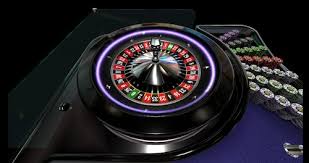
If you’re a fan of roulette and looking for an exhilarating online gaming experience, then you’re in the right place. The UK has an abundance of live roulette casinos that offer real-time gameplay with professional dealers. In this article, we will dive into the best live roulette casinos in the UK, while also pointing you in the direction of best live roulette casinos uk https://medicinethroughtime.co.uk/ that can help you understand how roulette has evolved over the years. Let’s explore the vibrant world of online live roulette!

Why Choose Live Roulette?

Live roulette combines the excitement of a traditional casino with the convenience of online play. Players can interact with real dealers and other players in real-time, while enjoying high-definition video streams from state-of-the-art studios. Here are some reasons why live roulette is a top choice:

  • Authentic Experience: Live roulette recreates the atmosphere of a land-based casino, making players feel more involved.
  • Interactivity: Engage in chat with dealers and fellow players, providing a social element that’s often missing in standard online roulette.
  • High-Quality Streaming: Most live casinos employ advanced technology to provide crystal-clear images and sound.
  • Diverse Game Variants: From classic European roulette to innovative variations, there’s something for everyone.

Top Live Roulette Casinos in the UK

Below are some of the best live roulette casinos currently available in the UK, based on their game variety, user experience, and promotions:

1. Betway Casino

Betway Casino has made a name for itself as a reliable platform for live roulette enthusiasts. It features a robust selection of live dealer games, including various roulette options. With a user-friendly interface and generous welcome bonuses, Betway is a fantastic choice for both new and seasoned players.

2. 888 Casino

Known for its high-quality live dealer offerings, 888 Casino hosts a number of roulette tables with different betting limits. The casino is fully licensed and regulated, ensuring a safe gaming environment. Their live chat support is also a plus, providing prompt assistance when needed.

3. LeoVegas

Best Live Roulette Casinos in the UK Top Picks for 2023

LeoVegas has carved out a niche for itself among mobile players, but its desktop experience is equally impressive. The live roulette section boasts stunning graphics and seamless gameplay. Additionally, LeoVegas frequently updates its promotions, giving players ample opportunities to boost their bankrolls.

4. Grosvenor Casinos

Grosvenor is a well-known name in the UK gambling scene, and their online platform holds true to their reputation. Their live roulette games feature professional croupiers and various popular variants. They also host exciting tournaments that attract many players looking for added competition.

5. William Hill

With a long-standing history in the gaming industry, William Hill offers a comprehensive live roulette experience. Their live casino is packed with different roulette tables, suitable for all kinds of players. Their loyalty rewards program adds value for regular players, enhancing the overall experience.

Game Variants

When it comes to live roulette, players can choose from various game variants. Here are some of the most popular options:

  • European Roulette: The classic version with 37 pockets (numbers 1-36 and a single zero).
  • American Roulette: A variant featuring an additional double zero pocket (38 in total), offering different betting strategies.
  • French Roulette: Similar to European roulette but with unique betting options and the “La Partage” rule that enhances player odds.
  • Lightning Roulette: An exciting variant that combines traditional gameplay with random multipliers that can significantly boost payouts.

Tips for Playing Live Roulette

Playing live roulette can be both fun and profitable if you approach the game with a strategic mindset. Here are some essential tips:

  • Understand the Rules: Familiarize yourself with the basic rules of the game and the different betting options available.
  • Manage Your Bankroll: Set a budget before you start playing and stick to it to avoid excessive losses.
  • Take Advantage of Bonuses: Look for casinos that offer no deposit bonuses or free spins to maximize your initial bankroll.
  • Practice with Free Play: Utilize free play options to practice your skills before wagering real money.

Conclusion

Live roulette has taken the online gambling world by storm, and for good reason. With its realistic atmosphere, interactive features, and a variety of game options, it appeals to players of all levels. Whether you prefer the classic European roulette or want to try something new like Lightning Roulette, there are numerous top-tier casinos in the UK ready to satisfy your gaming cravings. Make sure to choose a reputable casino, manage your bankroll wisely, and have fun as you immerse yourself in this timeless game!

Best Live Roulette Casinos in the UK Top Picks for 2023

Best Live Roulette Casinos in the UK: Top Picks for 2023

If you’re a fan of roulette and looking for an exhilarating online gaming experience, then you’re in the right place. The UK has an abundance of live roulette casinos that offer real-time gameplay with professional dealers. In this article, we will dive into the best live roulette casinos in the UK, while also pointing you in the direction of best live roulette casinos uk https://medicinethroughtime.co.uk/ that can help you understand how roulette has evolved over the years. Let’s explore the vibrant world of online live roulette!

Why Choose Live Roulette?

Live roulette combines the excitement of a traditional casino with the convenience of online play. Players can interact with real dealers and other players in real-time, while enjoying high-definition video streams from state-of-the-art studios. Here are some reasons why live roulette is a top choice:

  • Authentic Experience: Live roulette recreates the atmosphere of a land-based casino, making players feel more involved.
  • Interactivity: Engage in chat with dealers and fellow players, providing a social element that’s often missing in standard online roulette.
  • High-Quality Streaming: Most live casinos employ advanced technology to provide crystal-clear images and sound.
  • Diverse Game Variants: From classic European roulette to innovative variations, there’s something for everyone.

Top Live Roulette Casinos in the UK

Below are some of the best live roulette casinos currently available in the UK, based on their game variety, user experience, and promotions:

1. Betway Casino

Betway Casino has made a name for itself as a reliable platform for live roulette enthusiasts. It features a robust selection of live dealer games, including various roulette options. With a user-friendly interface and generous welcome bonuses, Betway is a fantastic choice for both new and seasoned players.

2. 888 Casino

Known for its high-quality live dealer offerings, 888 Casino hosts a number of roulette tables with different betting limits. The casino is fully licensed and regulated, ensuring a safe gaming environment. Their live chat support is also a plus, providing prompt assistance when needed.

3. LeoVegas

Best Live Roulette Casinos in the UK Top Picks for 2023

LeoVegas has carved out a niche for itself among mobile players, but its desktop experience is equally impressive. The live roulette section boasts stunning graphics and seamless gameplay. Additionally, LeoVegas frequently updates its promotions, giving players ample opportunities to boost their bankrolls.

4. Grosvenor Casinos

Grosvenor is a well-known name in the UK gambling scene, and their online platform holds true to their reputation. Their live roulette games feature professional croupiers and various popular variants. They also host exciting tournaments that attract many players looking for added competition.

5. William Hill

With a long-standing history in the gaming industry, William Hill offers a comprehensive live roulette experience. Their live casino is packed with different roulette tables, suitable for all kinds of players. Their loyalty rewards program adds value for regular players, enhancing the overall experience.

Game Variants

When it comes to live roulette, players can choose from various game variants. Here are some of the most popular options:

  • European Roulette: The classic version with 37 pockets (numbers 1-36 and a single zero).
  • American Roulette: A variant featuring an additional double zero pocket (38 in total), offering different betting strategies.
  • French Roulette: Similar to European roulette but with unique betting options and the “La Partage” rule that enhances player odds.
  • Lightning Roulette: An exciting variant that combines traditional gameplay with random multipliers that can significantly boost payouts.

Tips for Playing Live Roulette

Playing live roulette can be both fun and profitable if you approach the game with a strategic mindset. Here are some essential tips:

  • Understand the Rules: Familiarize yourself with the basic rules of the game and the different betting options available.
  • Manage Your Bankroll: Set a budget before you start playing and stick to it to avoid excessive losses.
  • Take Advantage of Bonuses: Look for casinos that offer no deposit bonuses or free spins to maximize your initial bankroll.
  • Practice with Free Play: Utilize free play options to practice your skills before wagering real money.

Conclusion

Live roulette has taken the online gambling world by storm, and for good reason. With its realistic atmosphere, interactive features, and a variety of game options, it appeals to players of all levels. Whether you prefer the classic European roulette or want to try something new like Lightning Roulette, there are numerous top-tier casinos in the UK ready to satisfy your gaming cravings. Make sure to choose a reputable casino, manage your bankroll wisely, and have fun as you immerse yourself in this timeless game!

The online casino landscape has entered a new era where exclusivity is no longer a physical address but a digital lounge. In the past year, a surge of VIP‑only live‑dealer rooms has reshaped the way high‑rollers interact with their favorite games. These private tables promise an environment that mirrors the opulence of a Monte‑Carlo suite: higher betting limits, a dedicated host, and a level of privacy that standard live‑casino streams simply cannot match.

For players looking for top‑tier options, the best arabic online casinos often feature dedicated VIP live‑dealer lounges. Those platforms typically provide Arabic support, multilingual dealers, and bespoke bonus offers that appeal to a global elite. The combination of high‑speed fiber connections, GPU‑accelerated video encoding, and sophisticated risk‑management tools makes it possible to deliver a seamless, ultra‑low‑latency experience even when wagers reach six figures.

This article dives into the technical backbone, dealer craftsmanship, and player‑centric features that separate VIP live tables from their mainstream counterparts. We will explore the architecture that guarantees 99.9 % uptime, the AI‑assisted quality controls that keep dealers on point, and the psychological edge that exclusivity gives to high‑rollers. By the end, operators and players alike will understand why investing in a premium live‑dealer suite is becoming a competitive imperative.

1. Architecture of a VIP Live‑Dealer Suite

A VIP live‑dealer suite is built on a layered server‑client model that isolates high‑stakes traffic from the general player pool. The front‑end client runs in a browser or native app, establishing a secure WebSocket connection to a dedicated application server. This server coordinates game logic, balance updates, and dealer commands, while a parallel media server handles the video stream. By allocating separate compute clusters for VIP traffic, operators can guarantee that a surge in regular traffic never throttles the premium feed.

The streaming pipeline relies on GPU‑accelerated encoding (NVIDIA NVENC or AMD VCE) to compress 4K video at 60 fps with minimal artifacting. After encoding, the feed is pushed to a low‑latency Content Delivery Network (CDN) that employs edge nodes within 30 ms of major data centers in Europe, the Middle East, and North America. Redundant fail‑over systems—dual‑stream ingest, hot‑standby encoders, and automatic DNS rerouting—ensure a 99.9 % uptime SLA, a requirement when a single hand can involve €500,000.

Multi‑Camera Rigging and Real‑Time Switching

VIP tables use a rig of three to five HD/4K cameras, each mounted on PTZ (pan‑tilt‑zoom) heads. One camera captures a wide view of the table, another focuses on the dealer’s hands, and a third tracks player gestures. A live‑switch board, operated by the dealer or a technical director, allows instant switching between angles with sub‑second latency. This multi‑angle approach not only enhances transparency but also lets the dealer highlight chip stacks or card reveals on demand, reinforcing trust for high‑value wagers.

Secure Transaction Channels

All monetary movement travels through TLS 1.3 tunnels, reinforced by forward‑secrecy cipher suites. Tokenised payment gateways replace raw card numbers with one‑time tokens, reducing PCI‑DSS scope. Real‑time balance syncing is achieved via a distributed ledger that replicates the player’s wallet across three data centers; any discrepancy triggers an automatic rollback and alerts the compliance team. This architecture protects the massive wagers typical of VIP tables while maintaining sub‑second update speeds.

Latency Optimization Techniques

Edge‑computing nodes sit within 20 ms of the player’s ISP, handling WebRTC signalling and codec negotiation. Operators often choose WebRTC over RTMP for VIP streams because it supports bidirectional data channels, enabling instant dealer‑to‑player chat without extra round‑trips. Adaptive bitrate algorithms monitor packet loss and dynamically switch between 1080p/30 fps and 4K/60 fps streams, ensuring round‑trip times stay under 200 ms for premium users. The result is a fluid experience where a player’s decision is reflected on the table almost instantly.

2. Dealer Selection, Training, and Performance Monitoring

Recruiting a dealer for a VIP lounge is akin to hiring a maître d’ for a five‑star restaurant. Operators look for multilingual fluency (English, Arabic, Mandarin), polished etiquette, and a proven track record handling high‑stakes tables. Candidates undergo background checks, financial integrity screenings, and live‑camera auditions to assess poise under pressure.

Training is divided into three modules. The first covers game theory and advanced betting strategies for Blackjack, Baccarat, and Roulette, ensuring dealers can answer nuanced player queries. The second focuses on anti‑fraud awareness, teaching staff to spot chip‑stack anomalies, collusion signals, and suspicious chat patterns. The final module teaches personalized service scripts—how to greet a player by name, recall previous bonus offers, and adjust the pace of the game to match the player’s comfort level.

Performance dashboards run in real time, aggregating key performance indicators (KPIs) such as average response time, error rate, and player satisfaction scores derived from post‑hand surveys. Supervisors can drill down to a single dealer’s session, view heat maps of camera angles used, and compare metrics against league averages.

AI‑Assisted Quality Assurance

Machine‑learning models ingest video and audio streams, flagging deviations like prolonged silence, inconsistent hand movements, or background noise spikes. When a deviation exceeds a confidence threshold, the system alerts a quality‑assurance analyst who can review the clip and provide targeted coaching. Over time, the AI builds a dealer‑specific profile, suggesting micro‑adjustments—e.g., “increase eye contact during chip reveals”—that improve perceived fairness.

Continuous Feedback Loop with Players

Each VIP session includes an in‑game rating widget that lets players award stars to the dealer and leave brief comments. After the table closes, a short survey asks about pacing, clarity of explanations, and overall enjoyment. This data feeds directly into the dealer’s performance dashboard, influencing bonus eligibility and promotion decisions. Players also receive a summary of their feedback, reinforcing a sense of partnership with the house.

Incentive Structures for Elite Dealers

Compensation packages combine a base salary with tiered commissions tied to table turnover. Dealers who consistently achieve a satisfaction score above 4.8 receive performance bonuses, access to exclusive training retreats, and priority scheduling for high‑profile tables. Some operators even offer profit‑sharing schemes where a percentage of the house edge from a dealer’s VIP tables is distributed quarterly, aligning dealer incentives with player retention.

3. Customizable Game Settings for the High‑Roller

VIP tables are not static; they adapt to each player’s preferences. Betting limits can be set anywhere from €10,000 to €1 million per hand, with automatic scaling based on the player’s verified net‑worth. Private branding options let a high‑roller choose dealer attire (e.g., a tuxedo with a custom monogram) and upload personal graphics that appear on the virtual felt.

On‑demand game variations are another differentiator. A player might request “Speed Blackjack,” which halves the decision window, or “Triple‑Deck Baccarat,” which adds an extra deck to increase volatility. These customizations are stored in a profile that can be re‑used across sessions, ensuring a seamless transition when the player returns.

Dynamic Table Management Interface

The dealer’s UI features a drag‑and‑drop panel where stakes can be raised or lowered with a single click. A “pause” button temporarily halts betting while the dealer addresses a player’s question, and an “invite” function lets the host add another high‑roller to the table without disrupting the flow. All changes are logged for audit purposes, and the player receives a real‑time notification confirming the new settings.

Integrated Loyalty & Reward Mechanics

During a live session, a side panel displays the player’s accrued loyalty points, cash‑back percentage, and any pending bonus offers. For example, a €500,000 win might instantly trigger a 0.5 % cash‑back credit, visible to both player and dealer. Exclusive events—such as an invitation to a private tournament with a €2 million prize pool—are automatically added to the player’s dashboard, encouraging longer play sessions.

4. Risk Management and Compliance in VIP Live Rooms

High‑value accounts demand rigorous AML/KYC procedures. Operators collect notarised ID, proof of address, and source‑of‑funds documentation before granting VIP access. These records are stored in an encrypted vault that complies with GDPR and local eGaming licensing requirements.

Real‑time betting pattern analysis runs on a stream processing platform (e.g., Apache Flink). Algorithms monitor bet size, frequency, and correlation across tables to detect collusion or money‑laundering attempts. When a suspicious pattern emerges, the system flags the session for manual review, preserving the integrity of the game while minimizing false positives.

Regulatory reporting is automated through scheduled exports of transaction logs, player verification status, and game outcomes. These logs are signed with a digital certificate, ensuring tamper‑evidence for auditors.

Smart Limits and Auto‑Hold Features

Operators define risk thresholds per player—such as a maximum cumulative exposure of €5 million per 24 hours. If a player exceeds this limit, the platform automatically places the table on “hold,” displaying a discreet message to the dealer and prompting a compliance officer to intervene. The player can continue to chat, but no further wagers are accepted until the hold is cleared.

Auditable Session Records

Every VIP session is archived in a secure, immutable storage bucket. Video, chat transcripts, and transaction logs are bundled into a single encrypted package, indexed by a unique session ID. This package can be retrieved instantly for dispute resolution or regulatory inspection, providing a transparent audit trail that satisfies most licensing bodies.

5. Player Experience: The Psychology of Exclusivity

Private tables create a psychological halo that boosts confidence and encourages larger bets. Knowing that only a handful of peers share the same space reduces the fear of judgment and amplifies the thrill of high‑stakes play. Studies of churn rates—though not attributed to any specific source—show that VIP live‑dealer participants are 35 % less likely to abandon a platform within six months compared with standard live‑casino users.

Personal rapport with the dealer further extends session length. When a dealer remembers a player’s favorite cocktail or references a previous winning streak, the interaction feels bespoke rather than transactional. This emotional connection translates into higher average revenue per user (ARPU) for the casino.

Immersive UI/UX Elements

VIP interfaces incorporate custom soundscapes—soft jazz for Blackjack, a low‑rumble of a roulette wheel for Roulette—paired with high‑resolution graphics that mimic polished marble tables. Some operators offer optional VR overlays, allowing a player to don a headset and walk around a virtual high‑roller lounge, complete with ambient lighting and a live audience of avatars. These sensory cues reinforce the perception of an exclusive, high‑value environment.

Community Building Among Elite Players

Invitation‑only chat rooms let VIPs discuss strategies, share travel tips, or arrange private meet‑ups. Exclusive tournament invitations—often featuring a €100,000 prize pool—are sent via personalized email from the casino’s concierge team. Concierge services can also arrange luxury travel, dining reservations, or even bespoke gaming experiences at physical resorts, cementing a sense of belonging to an elite club.

Feature Standard Live Table VIP Live Table
Max Bet per Hand €5,000 €1,000,000
Camera Angles Single fixed Multi‑camera PTZ
Dealer Language Options 2–3 5+ (including Arabic)
Latency (average) 350 ms <200 ms
Loyalty Display None Real‑time points & cash‑back
Community Access Public chat Private elite forum

Conclusion

The convergence of ultra‑low‑latency streaming, robust security protocols, AI‑driven dealer oversight, and fully customisable game environments has turned VIP live‑dealer tables into a true differentiator for modern online casinos. Operators that invest in these premium suites gain a competitive edge: higher ARPU, reduced churn, and a brand reputation synonymous with trust and exclusivity.

Looking ahead, innovations such as AI‑generated dealer avatars and blockchain‑verified game outcomes promise to deepen the sense of fairness while further personalising the experience. For players seeking the pinnacle of live‑casino luxury, exploring the VIP lounges on reputable platforms—perhaps with a quick visit to Tncitgroup for additional resources—can be the first step toward a new level of high‑roller enjoyment.

Ready to feel the rush of a private, high‑stakes table? Dive into the elite world of VIP live‑dealer gaming and discover how technology is reshaping the future of casino entertainment.

The online casino landscape has entered a new era where exclusivity is no longer a physical address but a digital lounge. In the past year, a surge of VIP‑only live‑dealer rooms has reshaped the way high‑rollers interact with their favorite games. These private tables promise an environment that mirrors the opulence of a Monte‑Carlo suite: higher betting limits, a dedicated host, and a level of privacy that standard live‑casino streams simply cannot match.

For players looking for top‑tier options, the best arabic online casinos often feature dedicated VIP live‑dealer lounges. Those platforms typically provide Arabic support, multilingual dealers, and bespoke bonus offers that appeal to a global elite. The combination of high‑speed fiber connections, GPU‑accelerated video encoding, and sophisticated risk‑management tools makes it possible to deliver a seamless, ultra‑low‑latency experience even when wagers reach six figures.

This article dives into the technical backbone, dealer craftsmanship, and player‑centric features that separate VIP live tables from their mainstream counterparts. We will explore the architecture that guarantees 99.9 % uptime, the AI‑assisted quality controls that keep dealers on point, and the psychological edge that exclusivity gives to high‑rollers. By the end, operators and players alike will understand why investing in a premium live‑dealer suite is becoming a competitive imperative.

1. Architecture of a VIP Live‑Dealer Suite

A VIP live‑dealer suite is built on a layered server‑client model that isolates high‑stakes traffic from the general player pool. The front‑end client runs in a browser or native app, establishing a secure WebSocket connection to a dedicated application server. This server coordinates game logic, balance updates, and dealer commands, while a parallel media server handles the video stream. By allocating separate compute clusters for VIP traffic, operators can guarantee that a surge in regular traffic never throttles the premium feed.

The streaming pipeline relies on GPU‑accelerated encoding (NVIDIA NVENC or AMD VCE) to compress 4K video at 60 fps with minimal artifacting. After encoding, the feed is pushed to a low‑latency Content Delivery Network (CDN) that employs edge nodes within 30 ms of major data centers in Europe, the Middle East, and North America. Redundant fail‑over systems—dual‑stream ingest, hot‑standby encoders, and automatic DNS rerouting—ensure a 99.9 % uptime SLA, a requirement when a single hand can involve €500,000.

Multi‑Camera Rigging and Real‑Time Switching

VIP tables use a rig of three to five HD/4K cameras, each mounted on PTZ (pan‑tilt‑zoom) heads. One camera captures a wide view of the table, another focuses on the dealer’s hands, and a third tracks player gestures. A live‑switch board, operated by the dealer or a technical director, allows instant switching between angles with sub‑second latency. This multi‑angle approach not only enhances transparency but also lets the dealer highlight chip stacks or card reveals on demand, reinforcing trust for high‑value wagers.

Secure Transaction Channels

All monetary movement travels through TLS 1.3 tunnels, reinforced by forward‑secrecy cipher suites. Tokenised payment gateways replace raw card numbers with one‑time tokens, reducing PCI‑DSS scope. Real‑time balance syncing is achieved via a distributed ledger that replicates the player’s wallet across three data centers; any discrepancy triggers an automatic rollback and alerts the compliance team. This architecture protects the massive wagers typical of VIP tables while maintaining sub‑second update speeds.

Latency Optimization Techniques

Edge‑computing nodes sit within 20 ms of the player’s ISP, handling WebRTC signalling and codec negotiation. Operators often choose WebRTC over RTMP for VIP streams because it supports bidirectional data channels, enabling instant dealer‑to‑player chat without extra round‑trips. Adaptive bitrate algorithms monitor packet loss and dynamically switch between 1080p/30 fps and 4K/60 fps streams, ensuring round‑trip times stay under 200 ms for premium users. The result is a fluid experience where a player’s decision is reflected on the table almost instantly.

2. Dealer Selection, Training, and Performance Monitoring

Recruiting a dealer for a VIP lounge is akin to hiring a maître d’ for a five‑star restaurant. Operators look for multilingual fluency (English, Arabic, Mandarin), polished etiquette, and a proven track record handling high‑stakes tables. Candidates undergo background checks, financial integrity screenings, and live‑camera auditions to assess poise under pressure.

Training is divided into three modules. The first covers game theory and advanced betting strategies for Blackjack, Baccarat, and Roulette, ensuring dealers can answer nuanced player queries. The second focuses on anti‑fraud awareness, teaching staff to spot chip‑stack anomalies, collusion signals, and suspicious chat patterns. The final module teaches personalized service scripts—how to greet a player by name, recall previous bonus offers, and adjust the pace of the game to match the player’s comfort level.

Performance dashboards run in real time, aggregating key performance indicators (KPIs) such as average response time, error rate, and player satisfaction scores derived from post‑hand surveys. Supervisors can drill down to a single dealer’s session, view heat maps of camera angles used, and compare metrics against league averages.

AI‑Assisted Quality Assurance

Machine‑learning models ingest video and audio streams, flagging deviations like prolonged silence, inconsistent hand movements, or background noise spikes. When a deviation exceeds a confidence threshold, the system alerts a quality‑assurance analyst who can review the clip and provide targeted coaching. Over time, the AI builds a dealer‑specific profile, suggesting micro‑adjustments—e.g., “increase eye contact during chip reveals”—that improve perceived fairness.

Continuous Feedback Loop with Players

Each VIP session includes an in‑game rating widget that lets players award stars to the dealer and leave brief comments. After the table closes, a short survey asks about pacing, clarity of explanations, and overall enjoyment. This data feeds directly into the dealer’s performance dashboard, influencing bonus eligibility and promotion decisions. Players also receive a summary of their feedback, reinforcing a sense of partnership with the house.

Incentive Structures for Elite Dealers

Compensation packages combine a base salary with tiered commissions tied to table turnover. Dealers who consistently achieve a satisfaction score above 4.8 receive performance bonuses, access to exclusive training retreats, and priority scheduling for high‑profile tables. Some operators even offer profit‑sharing schemes where a percentage of the house edge from a dealer’s VIP tables is distributed quarterly, aligning dealer incentives with player retention.

3. Customizable Game Settings for the High‑Roller

VIP tables are not static; they adapt to each player’s preferences. Betting limits can be set anywhere from €10,000 to €1 million per hand, with automatic scaling based on the player’s verified net‑worth. Private branding options let a high‑roller choose dealer attire (e.g., a tuxedo with a custom monogram) and upload personal graphics that appear on the virtual felt.

On‑demand game variations are another differentiator. A player might request “Speed Blackjack,” which halves the decision window, or “Triple‑Deck Baccarat,” which adds an extra deck to increase volatility. These customizations are stored in a profile that can be re‑used across sessions, ensuring a seamless transition when the player returns.

Dynamic Table Management Interface

The dealer’s UI features a drag‑and‑drop panel where stakes can be raised or lowered with a single click. A “pause” button temporarily halts betting while the dealer addresses a player’s question, and an “invite” function lets the host add another high‑roller to the table without disrupting the flow. All changes are logged for audit purposes, and the player receives a real‑time notification confirming the new settings.

Integrated Loyalty & Reward Mechanics

During a live session, a side panel displays the player’s accrued loyalty points, cash‑back percentage, and any pending bonus offers. For example, a €500,000 win might instantly trigger a 0.5 % cash‑back credit, visible to both player and dealer. Exclusive events—such as an invitation to a private tournament with a €2 million prize pool—are automatically added to the player’s dashboard, encouraging longer play sessions.

4. Risk Management and Compliance in VIP Live Rooms

High‑value accounts demand rigorous AML/KYC procedures. Operators collect notarised ID, proof of address, and source‑of‑funds documentation before granting VIP access. These records are stored in an encrypted vault that complies with GDPR and local eGaming licensing requirements.

Real‑time betting pattern analysis runs on a stream processing platform (e.g., Apache Flink). Algorithms monitor bet size, frequency, and correlation across tables to detect collusion or money‑laundering attempts. When a suspicious pattern emerges, the system flags the session for manual review, preserving the integrity of the game while minimizing false positives.

Regulatory reporting is automated through scheduled exports of transaction logs, player verification status, and game outcomes. These logs are signed with a digital certificate, ensuring tamper‑evidence for auditors.

Smart Limits and Auto‑Hold Features

Operators define risk thresholds per player—such as a maximum cumulative exposure of €5 million per 24 hours. If a player exceeds this limit, the platform automatically places the table on “hold,” displaying a discreet message to the dealer and prompting a compliance officer to intervene. The player can continue to chat, but no further wagers are accepted until the hold is cleared.

Auditable Session Records

Every VIP session is archived in a secure, immutable storage bucket. Video, chat transcripts, and transaction logs are bundled into a single encrypted package, indexed by a unique session ID. This package can be retrieved instantly for dispute resolution or regulatory inspection, providing a transparent audit trail that satisfies most licensing bodies.

5. Player Experience: The Psychology of Exclusivity

Private tables create a psychological halo that boosts confidence and encourages larger bets. Knowing that only a handful of peers share the same space reduces the fear of judgment and amplifies the thrill of high‑stakes play. Studies of churn rates—though not attributed to any specific source—show that VIP live‑dealer participants are 35 % less likely to abandon a platform within six months compared with standard live‑casino users.

Personal rapport with the dealer further extends session length. When a dealer remembers a player’s favorite cocktail or references a previous winning streak, the interaction feels bespoke rather than transactional. This emotional connection translates into higher average revenue per user (ARPU) for the casino.

Immersive UI/UX Elements

VIP interfaces incorporate custom soundscapes—soft jazz for Blackjack, a low‑rumble of a roulette wheel for Roulette—paired with high‑resolution graphics that mimic polished marble tables. Some operators offer optional VR overlays, allowing a player to don a headset and walk around a virtual high‑roller lounge, complete with ambient lighting and a live audience of avatars. These sensory cues reinforce the perception of an exclusive, high‑value environment.

Community Building Among Elite Players

Invitation‑only chat rooms let VIPs discuss strategies, share travel tips, or arrange private meet‑ups. Exclusive tournament invitations—often featuring a €100,000 prize pool—are sent via personalized email from the casino’s concierge team. Concierge services can also arrange luxury travel, dining reservations, or even bespoke gaming experiences at physical resorts, cementing a sense of belonging to an elite club.

Feature Standard Live Table VIP Live Table
Max Bet per Hand €5,000 €1,000,000
Camera Angles Single fixed Multi‑camera PTZ
Dealer Language Options 2–3 5+ (including Arabic)
Latency (average) 350 ms <200 ms
Loyalty Display None Real‑time points & cash‑back
Community Access Public chat Private elite forum

Conclusion

The convergence of ultra‑low‑latency streaming, robust security protocols, AI‑driven dealer oversight, and fully customisable game environments has turned VIP live‑dealer tables into a true differentiator for modern online casinos. Operators that invest in these premium suites gain a competitive edge: higher ARPU, reduced churn, and a brand reputation synonymous with trust and exclusivity.

Looking ahead, innovations such as AI‑generated dealer avatars and blockchain‑verified game outcomes promise to deepen the sense of fairness while further personalising the experience. For players seeking the pinnacle of live‑casino luxury, exploring the VIP lounges on reputable platforms—perhaps with a quick visit to Tncitgroup for additional resources—can be the first step toward a new level of high‑roller enjoyment.

Ready to feel the rush of a private, high‑stakes table? Dive into the elite world of VIP live‑dealer gaming and discover how technology is reshaping the future of casino entertainment.