| Maschinen haben “Gedächtnis” |
Jeder Spin
Häufige Fragen
Was tun, wenn Spielen zum Problem wird?
Sofortige Einzahlungslimits oder eine Spielsperre über OASIS setzen und Beratungsstellen wie die BZgA nutzen.
Sind Gewinne aus dem Online Casino steuerfrei?
In Deutschland bleiben Glücksspielgewinne für private Spieler grundsätzlich steuerfrei, weil auf Einsätze bereits Abgaben erhoben werden.
Wie lange dauern Auszahlungen im Online Casino?
Bei seriösen Anbietern dauert eine Auszahlung mit geprüften Zahlungsmethoden in der Regel ein bis drei Werktage.
Die Welt des Glücksspiels ist faszinierend und voller Möglichkeiten, aber auch voller Missverständnisse. Viele Spieler suchen nach der einen Strategie, die garantierte Gewinne verspricht, doch die Realität sieht anders aus. Egal, ob Sie bei siti scommesse oder in Online-Casinos spielen, Mathematik und Wahrscheinlichkeit bestimmen die Ergebnisse, nicht geheime Tricks. Dieser Artikel klärt über gängige Mythen auf und erklärt, warum es keine sicheren Gewinnstrategien beim Glücksspiel gibt. Wir werden die Unterschiede zwischen verschiedenen siti scommesse online und traditionellen Casinos beleuchten und warum professionelle Spieler oft den Ansatz verwechseln, der sie zu einem migliori siti scommesse-Erlebnis führt. Die Erkenntnis ist wichtig: verantwortungsbewusstes Spielen ist der Schlüssel zum Genuss.
Ein bookmaker online funktioniert nach denselben Prinzipien wie jedes andere Glücksspielangebot. Die Wahrscheinlichkeiten werden sorgfältig kalkuliert, um sicherzustellen, dass das Haus langfristig einen Vorteil behält. Dies bedeutet, dass selbst die besten Spieler auf Dauer mehr verlieren als gewinnen. Die Vorstellung, man könne durch eine spezielle Strategie diesen Hausvorteil umgehen, ist einer der verbreitetsten Mythen. Tatsächlich sind einige siti di scommesse sportive besonders transparent in ihren Auszahlungsquoten, während andere weniger informative Daten bereitstellen. Unabhängig vom Anbieter bleibt die Grundwahrheit bestehen: Glücksspiele sind Unterhaltung, keine Investition.
Wenn Sie nach dem perfekten siti scommesse bonus suchen, achten Sie weniger auf versprochene Gewinne und mehr auf faire Bedingungen. Ein guter Willkommensbonus kann Ihr Spielbudget vergrößern, aber er ändert nichts an den mathematischen Grundlagen. Viele Spieler überschätzen die Bedeutung solcher Boni und vergessen, dass sie an Umsatzbedingungen geknüpft sind. Die beste Strategie ist, sich mit den Regeln vertraut zu machen, Risiken zu verstehen und einen Betrag festzulegen, dessen Verlust Sie sich leisten können. Erfahrungsberichte zu https://iris-casino-spiel.com/ liefern eine erste Orientierung im deutschen Markt. Nur so bleibt das Glücksspiel eine unterhaltsame Aktivität ohne negative finanzielle Konsequenzen.
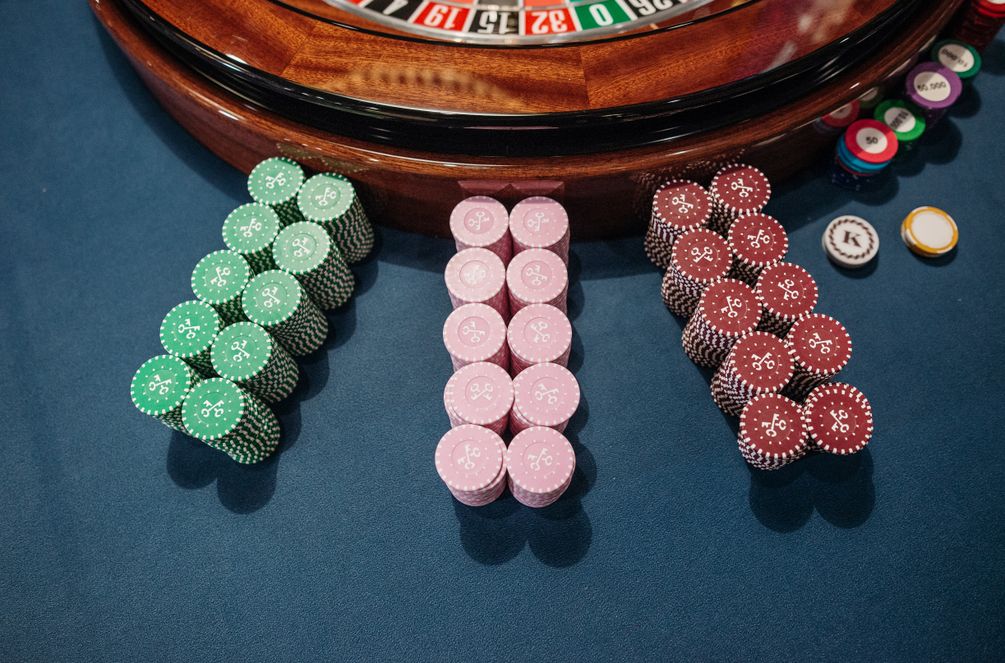
Die Mathematik hinter dem Glücksspiel
Wahrscheinlichkeit und Hausvorteil
Verstehen Sie die Grundlagen der Wahrscheinlichkeit, um zu begreifen, warum es keine Garantien beim Glücksspiel gibt. Jedes Spiel, von Roulette bis Blackjack, hat einen eingebauten statistischen Vorteil für das Haus, als “Hausvorteil” bekannt. Dieser Vorteil stellt sicher, dass Casinos langfristig profitabel bleiben, unabhängig von einzelnen Spielergebnissen. Selbst bei fair gestalteten siti scommesse sorgt dieser Vorteil dafür, dass die Auszahlungsquoten immer unter 100% liegen. Mathematisch gesehen bedeutet dies, dass Sie bei jedem Einsatz statistisch etwas weniger als den vollen Betrag zurückbekommen können.
Der Irrglaube an das “Glück im Spiel”
Viele Spieler glauben, dass sich “Glück” im Spiel irgendwann ausgleicht oder dass bestimmte Sequenzen wahrscheinlicher werden. Dieser sogenannte Gambler’s Fallacy ist ein gefährliches Missverständnis. Tatsächlich sind die Ergebnisse jedes einzelnen Spieles unabhängig von vorherigen Ergebnissen. Wenn Sie beim Roulette zehnmal hintereinander Rot getroffen haben, ändert dies nichts an der Wahrscheinlichkeit für Schwarz beim nächsten Mal. Diese Unabhängigkeit der Ereignisse ist ein weiterer Grund, warum es keine langfristigen Gewinnstrategien geben kann – jede Wette ist eine neue, isolierte Entscheidung mit unveränderter Gewinnwahrscheinlichkeit.
Mythen über Spielautomaten
Die “heißen” und “kalten” Maschinen
Einer der hartnäckigsten Mythen im Glücksspiel ist der über “heiße” und “kalte” Spielautomaten. Viele Spieler glauben, dass eine Maschine, die lange keinen Jackpot ausgelöst hat, bald “gewinnen muss” (kalte Maschine), während eine Maschine, die gerade gezahlt hat, weiter zahlen wird (heiße Maschine). Tatsächlich werden moderne Spielautomaten durch Zufallsgeneratoren gesteuert, die jede Drehung unabhängig von der vorherigen gestalten. Die Idee, man könne Muster erkennen, ist reine Illusion. Egal bei welchem migliori siti scommesse spielen, die Maschinen haben kein Gedächtnis und keine Vorlieben.
Ein weiterer verwandter Mythos ist die Annahme, höhere Einsätze würden die Gewinnchancen erhöhen. In Wirklichkeit ändern höhere Einsätze nur potenzielle Gewinne, nicht die Wahrscheinlichkeit eines Gewinns. Die Auszahlungsquoten bleiben konstant, unabhängig von der Einsatzhöhe. Dies bedeutet, dass Sie zwar mehr gewinnen könnten, wenn Sie gewinnen, aber Ihre Wahrscheinlichkeit zu gewinnen bleibt dieselbe. Viele siti di scommesse sportive
Strategien im Sportwetten
Wertwetten verstehen
Im Bereich der Sportwetten gibt es anscheinend mehr strategische Ansätze als bei reinen Glücksspielen. Der Konzept der “Wertwette” ist hier zentral – das bedeutet, eine Wette abzuschließen, bei der die vom bookmaker online angebotene Wahrscheinlichkeit höher ist als Ihre eigene berechnete Wahrscheinlichkeit. Professionelle Sportwetter versuchen, solche Wertwetten zu identifizieren, aber selbst diese Strategie basiert auf Schätzungen und Unsicherheiten. Es gibt keine garantierte Methode, um Wertwetten systematisch zu finden, da Sportereignisse unvorhersehbare Faktoren wie Verletzungen, Formschwankungen oder Wetterbedingungen enthalten.
Viele siti scommesse bonus locken Spieler mit speziellen Wettoptionen wie Live-Wetten oder Kombiwetten an, die scheinbar strategische Vorteile bieten. In Wirklichkeit erhöhen diese Optionen jedoch die Komplexität und oft auch den Hausvorteil. Live-Wetten mögen spannend sein, aber sie erfordern extrem schnelle Entscheidungen unter Druck, was zu impulsiven Fehlern führen kann. Kombiwetten können potenzielle Gewinne erhöhen, aber sie verringern auch die Gesamtwahrscheinlichkeit eines Gewinns erheblich. Die beste Strategie im Sportwettenbereich bleibt eine informierte, disziplinierte Herangehensweise, die auf fundiertem Wissen über die Sportarten basiert.
Psychologische Faktoren beim Glücksspiel
Verlustvermeidung und Verlustaversion
Die Psychologie des Spielers beeinflusst seine Entscheidungen stark oft mehr als jede vermeintliche Strategie. Das Phänomen der Verlustaversion – die Tendenz, Verlusten stärker zu widerstehen als gleich große Gewinne zu erstreben – führt viele Spieler zu irrationalen Entscheidungen. Spieler neigen dazu, nach einer Verlustserie höhere Einsätze zu tätigen, um die Verluste zurückzugewinnen, was als “Tilt” bezeichnet wird und zu noch größeren Verlusten führen kann. Viele siti scommesse online nutzen diese psychologischen Schwachstellen bewusst, indem sie “Verlust-Cashbacks” oder ähnliche Anreize anbieten, die Spieler dazu ermutigen, weiterzuspielen.
Ein weiteres psychologisches Phänomen ist das nahezu magische Denken, bei dem Spieler glauben, bestimmte Rituale oder Gegenstände könnten ihre Gewinnchancen erhöhen. Dies zeigt sich im Tragen von Glücksbrillchen, dem Spielen zur bestimmten Uhrzeit oder dem Vermeiden bestimmter Zahlen. Während diese Praktiken den Spieler vielleicht psychologisch beruhigen, haben sie keinerlei Einfluss auf die mathematischen Wahrscheinlichkeiten. Das Verständnis dieser psychologischen Faktoren ist entscheidend, um verantwortungsbewusst spielen zu können und sich nicht von Emotionen leiten zu lassen.
| Mythos |
Wirklichkeit |
Auswirkung auf das Spielen |
| Es gibt Gewinngarantien |
Mathematische Wahrscheinlichkeiten bestimmen Ergebnisse |
Führt zu falschen Erwartungen und Enttäuschung |
| Maschinen haben “Gedächtnis” |
Jeder Spin
Häufige Fragen
Was tun, wenn Spielen zum Problem wird?
Sofortige Einzahlungslimits oder eine Spielsperre über OASIS setzen und Beratungsstellen wie die BZgA nutzen.
Sind Gewinne aus dem Online Casino steuerfrei?
In Deutschland bleiben Glücksspielgewinne für private Spieler grundsätzlich steuerfrei, weil auf Einsätze bereits Abgaben erhoben werden.
Wie lange dauern Auszahlungen im Online Casino?
Bei seriösen Anbietern dauert eine Auszahlung mit geprüften Zahlungsmethoden in der Regel ein bis drei Werktage.
Ранги пользователей онлайновый-игорный дом вдобавок химанализ действенности платформы дают антикварную данные об успехе коммерциала в круге диалоговый-игр. Сии цифры ориентируют выявить ветви для улучшения, такие как навигация в области веб сайту а еще довольство применения.
Ранги пользователей онлайновый-игорный дом вдобавок химанализ действенности платформы дают антикварную данные об успехе коммерциала в круге диалоговый-игр. Сии цифры ориентируют выявить ветви для улучшения, такие как навигация в области веб сайту а еще довольство применения.
Благонадежная автоирис рейтингов онлайн-игорный дом надобна чтобы, чтобы помочь геймерам расценить блатной видеоигровой дебют. Ранги должны учитывать такие важные моменты, а как диверсификация игр, невинность и качество сервиса заказчиков.
Отзвуки пользователей воспроизводят выполнимый дебют и затрагивают таких обстоятельств, как эффективность выплат выигрышей игорный дом вдобавок альтернативы сервиса клиентов.
Благонадежная автоирис рейтингов онлайн-игорный дом надобна чтобы, чтобы помочь геймерам расценить блатной видеоигровой дебют. Ранги должны учитывать такие важные моменты, а как диверсификация игр, невинность и качество сервиса заказчиков.
Отзвуки пользователей воспроизводят выполнимый дебют и затрагивают таких обстоятельств, как эффективность выплат выигрышей игорный дом вдобавок альтернативы сервиса клиентов.
Подвижные дебаркадеры онлайн-казино должны глядеть как бонусные мобильные использования, же и при всем этом быть порукой безопасный а еще причастный видеоигровой выскабливание.
Подвижные дебаркадеры онлайн-казино должны глядеть как бонусные мобильные использования, же и при всем этом быть порукой безопасный а еще причастный видеоигровой выскабливание.
The rise of social features in online casinos has turned the once‑solo pastime of slot‑spinning into a community‑driven adventure. Modern players can chat while the reels spin, join live‑dealer tables with friends, or compete in real‑time tournaments that reward collective performance. This shift has forced operators to rethink the core experience: is the future a solitary quest for personal jackpots, or a shared hunt for communal treasure?
At the same time, players in the UAE are increasingly turning to reputable platforms such as the uae betting sites to test these new social‑centric loyalty schemes. Those looking for a balanced view can also browse Bookhelicopterindubai for neutral information on the market, without being steered toward any particular operator.
Loyalty programs have become the strategic lever that can tip the balance in favor of either format. By rewarding solo milestones, group achievements, or a hybrid of both, operators decide which behavior they want to amplify. This article dissects how loyalty programmes are designed, deployed, and measured across solo and multiplayer iGaming, offering operators a roadmap for strategic planning.
The Evolution of Loyalty: From Points to Community Currency
Early online casinos relied on simple point‑based schemes. Players earned one point per dollar wagered on slots, and after accumulating a few thousand points they could exchange them for free spins or modest cash‑back. The model worked well for solitary gamers who measured success by personal milestones.
When live dealer rooms and social tournaments entered the scene, operators realized that points alone could not capture the value of interaction. Tiered, experience‑based rewards emerged, granting extra status for actions such as referring a friend, joining a clan, or completing a shared quest. In a popular football‑themed slot, for example, a player who invited three friends to the same game unlocked a “Team Captain” badge that added a 5 % boost to all future free‑spin payouts.
Community currency took the concept further. Some platforms introduced a shared bankroll that grows when members collectively meet wagering thresholds. A group of five players who each placed at least $100 on blackjack in a week might see a $50 “guild boost” added to every member’s next cash‑back claim. This creates a tangible incentive to play together, because the reward is pooled rather than individual.
Strategic planners must align reward architecture with the product roadmap. If a new multiplayer poker lobby is slated for launch, the loyalty engine should already support “table‑level” points that convert into seat‑upgrade vouchers. Conversely, a solo‑focused slot series benefits from high‑frequency, low‑value perks that keep the player’s momentum high.
| Loyalty Feature |
Solo‑Only Value |
Social‑Enhanced Value |
Typical Use Case |
| Points per $1 wager |
1 point |
0.8 point + 0.2 interaction credit |
Slot reels |
| Tier unlock (Bronze → Silver) |
Personal wagering volume |
Combined guild activity + personal volume |
Live dealer rooms |
| Community pool |
N/A |
Shared bankroll boost |
Multiplayer tournaments |
| Referral bonus |
Fixed cash‑back |
Tier‑accelerating XP |
Social slots |
Player Motivation Matrix: Solo Thrill vs. Social Belonging
Solo gamblers are driven by a sense of control, personal challenge, and privacy. The thrill of beating a high‑volatility slot with a 96.5 % RTP, or out‑smarting a dealer in a one‑on‑one blackjack hand, satisfies an internal competitive streak. These players often cherish milestones such as “first $10,000 win” or “100th free spin” because the achievement is theirs alone.
Social players, on the other hand, seek competition, collaboration, and status within a community. A leaderboard that ranks guilds by total wagering volume, or a live‑dealer table where friends can cheer each other on, fulfills the need for belonging. Badges like “Top Scorer in Football Betting UAE” or “Guild Leader in Crypto Sports Betting” become digital trophies that signal prestige.
Mapping motivations to loyalty touch‑points clarifies where to invest. Solo touch‑points include personal milestones (e.g., “500th spin”) and individualized cash‑back offers. Social touch‑points revolve around group achievements, such as “All members of Club Alpha have contributed $5,000 to the shared jackpot; unlock a 10 % bonus for the whole club.”
Data from a midsize operator shows that solo‑only loyalty schemes retain 28 % of players after three months, while hybrid programmes that blend personal and group rewards push retention to 37 %. The same study notes a 12 % lift in average revenue per user (ARPU) when social bonuses are introduced alongside traditional free spins.
Product managers can therefore tailor communication streams: push notifications that celebrate an individual’s 100th win, and separate in‑app messages that announce a guild’s collective milestone. By speaking directly to each motivator, the loyalty engine becomes a dual‑purpose engine rather than a one‑size‑fits‑all tool.
Designing Tier Structures That Serve Both Worlds
A robust tier system needs parallel tracks that recognize both personal spend and social contribution. The classic “Bronze‑Silver‑Gold” ladder can remain the backbone for solo activity, awarding points based on wagering volume, volatility, and RTP. For the social side, a complementary set of tiers—such as “Club Member,” “Guild Leader,” and “Community Champion”—recognizes interaction metrics like referrals, clan‑wide wagers, and tournament participation.
Points allocation must be transparent. One approach is to split every wager into two buckets: 80 % of points go to the solo tier, while 20 % flow into a social credit pool. If a player bets $200 on a high‑variance slot, they earn 160 solo points and 40 social credits. Social credits can be spent only on group‑focused rewards, preventing a player from “free‑riding” on community bonuses without contributing personally.
Balancing the system is crucial. Operators have seen abuse when social tiers award massive cash‑back solely for referrals, allowing “promo hunters” to create dummy accounts, earn the social tier, and cash out without ever playing. To mitigate this, a minimum solo wagering requirement (e.g., $500 in the last 30 days) can be imposed before social credits become redeemable.
A case study from a European casino illustrates success. The operator introduced a “Dual‑Track” model where solo tiers unlocked up to 15 % cash‑back, while social tiers unlocked a weekly “team free‑spin pool” of 100 spins shared among guild members. Over six months, the average player’s session length grew from 18 to 27 minutes, and the proportion of players in the “Gold‑Guild Leader” combined tier rose from 3 % to 9 %.
Reward Types: Cash‑Back, Free Spins, and Shared Bonuses
Traditional rewards remain the backbone of solo loyalty. Cash‑back at 5 % of net losses and free spins on high‑RTP slots such as “Mega Fortune Dreams” keep individual players engaged. These incentives work because they directly offset the variance inherent in solo play and provide immediate, personal value.
Social‑centric rewards require a different design language. A “team‑wide free‑spin pool” distributes a set number of spins among all guild members, encouraging coordinated play. Shared tournament entries let a group of friends collectively buy into a high‑stakes poker event, with the prize split proportionally. Communal jackpot contributions—where each member adds a small amount to a growing pot that can be claimed when the guild reaches a wagering milestone—create a sense of collective destiny.
Hybrid rewards blend the two worlds. Imagine a scenario where a solo player reaches the “Silver” tier and unlocks a personal $10 bonus that also unlocks a “Group Challenge” for their guild: if the guild collectively wagers $10,000 within a week, every member receives an extra 20 % on their individual bonus. This structure motivates the individual while pulling the group along.
A cost‑benefit analysis shows distinct ROI patterns. Cash‑back typically yields a 1.2 × return on spend for solo players, while shared bonuses can generate a 1.8 × return because they stimulate higher total wagering across multiple accounts. However, shared rewards carry higher compliance risk and require more sophisticated tracking. Operators should allocate roughly 60 % of loyalty budget to personal incentives and 40 % to social mechanisms, adjusting the split as data reveals player preferences.
Data‑Driven Personalisation: Using Play Patterns to Optimize Loyalty
Effective loyalty management begins with granular data collection. Key metrics include session length, average bet size, volatility preference (high‑RTP vs. high‑variance games), and frequency of social interactions such as chat messages, clan invites, or tournament joins.
Machine‑learning models can segment the player base into “Solo‑Optimists” (high personal spend, low social activity) and “Social‑Catalysts” (moderate spend, high interaction). Predictive algorithms then recommend the most compelling incentive: a Solo‑Optimist might receive a 10 % cash‑back boost on their next 50 spins, while a Social‑Catalyst could be nudged with a limited‑time “double guild points” offer for joining a live‑dealer tournament.
Real‑time personalization dashboards give loyalty managers a live view of tier migrations, redemption rates, and churn risk. For example, if a high‑value solo player’s session frequency drops below three per week, the system can automatically trigger a push notification: “Earn an extra 200 points when you play ‘Book of Ra Deluxe’ today – plus unlock a Guild Invite for your friends.”
An illustrative algorithm in practice: the platform identifies a player who consistently wagers $2,000 on blackjack but never joins a clan. The model assigns a 78 % probability that a “first‑time clan entry bonus” (free entry to a $5,000 prize pool tournament) will increase weekly spend by at least 15 %. The offer is delivered via in‑app banner, and within 48 hours the player joins a guild and contributes $250, confirming the predictive power of the system.
Regulatory and Market Considerations in the UAE and Beyond
The United Arab Emirates maintains a nuanced stance on gambling. While traditional casino games are prohibited, regulated “online betting UAE” platforms that focus on sports, fantasy leagues, and certain skill‑based games operate under specific licences. Loyalty programmes must therefore avoid features that could be interpreted as illegal gambling incentives, such as unconditional cash‑back that resembles a prize.
Compliance pitfalls include bonus abuse (players creating multiple accounts to harvest referral credits) and AML concerns around shared rewards. A communal jackpot that aggregates funds from several accounts must be subject to the same anti‑money‑laundering checks as individual deposits, with source‑of‑funds verification for each contributor.
Localization enhances both compliance and player affinity. Arabic‑language community badges—like “صديق القمار” (Friend of Gaming)—and culturally resonant milestones (e.g., “Ramadan Reward Booster”) respect local sensibilities while providing clear, non‑gambling‑specific incentives. Operators can also tie loyalty milestones to “football betting UAE” events, offering non‑cash perks such as match‑day virtual tickets or exclusive analytics dashboards.
For operators seeking guidance, Bookhelicopterindubai offers a neutral repository of regulatory summaries and market overviews. By consulting the site, strategists can verify that their loyalty architecture respects UAE licensing requirements while still delivering engaging social experiences.
Strategic Roadmap: Integrating Loyalty into Future Game Development
A phased roadmap ensures loyalty integration does not outpace product capability.
- Pilot Phase (Months 1‑3) – Launch a solo‑focused loyalty engine on existing slot titles. Track baseline metrics: churn, ARPU, and tier progression.
- Social Layer Introduction (Months 4‑6) – Add referral credits, guild creation tools, and shared‑bonus pools to the same titles. Conduct A/B tests comparing pure solo vs. hybrid users.
- Iterate & Expand (Months 7‑12) – Refine tier weighting based on data, introduce hybrid rewards, and roll out loyalty hooks into new live‑dealer and multiplayer games.
Cross‑functional collaboration is essential. Product teams define reward triggers, marketing crafts segmented messaging, compliance vets every new incentive, and data science builds the personalization models.
Key performance indicators (KPIs) to monitor:
- Churn rate (target < 20 % after 6 months)
- ARPU (goal + 12 % vs. baseline)
- Social engagement score (average guild interactions per active player)
- Loyalty tier migration ratio (percentage moving from Bronze to Silver or from Club Member to Guild Leader)
Looking ahead, emerging trends will reshape loyalty design. NFT‑based loyalty tokens could grant immutable ownership of exclusive avatars or virtual lounge access. Metaverse casino lounges may allow players to mingle in 3D spaces, earning “presence points” simply by attending. AI‑driven social matchmaking will pair solo high‑rollers with compatible guilds, optimizing both enjoyment and spend.
A final checklist for operators deciding where to invest loyalty budget:
- Audit current loyalty assets against solo and social motivations.
- Map each asset to a measurable KPI.
- Allocate budget: 60 % personal incentives, 40 % social mechanisms (adjust as data dictates).
- Pilot a hybrid reward, measure impact, and scale.
- Ensure all new features comply with UAE regulations and cultural expectations.
Conclusion
Loyalty programmes sit at the crossroads of solo thrill and social belonging, acting as the lever that can tilt iGaming toward either direction. When designed with clear tier tracks, balanced reward types, and data‑driven personalization, loyalty ecosystems boost retention, increase spend, and satisfy the stringent regulatory environment of markets like the UAE.
Strategists should begin by auditing existing loyalty assets, aligning them with the player motivation matrix, and launching hybrid pilots that reward both individual achievement and collective effort. The next wave of social casino experiences will be defined not just by flashy game mechanics, but by loyalty ecosystems that keep players returning together, eager to chase the next shared jackpot or personal milestone.
The rise of social features in online casinos has turned the once‑solo pastime of slot‑spinning into a community‑driven adventure. Modern players can chat while the reels spin, join live‑dealer tables with friends, or compete in real‑time tournaments that reward collective performance. This shift has forced operators to rethink the core experience: is the future a solitary quest for personal jackpots, or a shared hunt for communal treasure?
At the same time, players in the UAE are increasingly turning to reputable platforms such as the uae betting sites to test these new social‑centric loyalty schemes. Those looking for a balanced view can also browse Bookhelicopterindubai for neutral information on the market, without being steered toward any particular operator.
Loyalty programs have become the strategic lever that can tip the balance in favor of either format. By rewarding solo milestones, group achievements, or a hybrid of both, operators decide which behavior they want to amplify. This article dissects how loyalty programmes are designed, deployed, and measured across solo and multiplayer iGaming, offering operators a roadmap for strategic planning.
The Evolution of Loyalty: From Points to Community Currency
Early online casinos relied on simple point‑based schemes. Players earned one point per dollar wagered on slots, and after accumulating a few thousand points they could exchange them for free spins or modest cash‑back. The model worked well for solitary gamers who measured success by personal milestones.
When live dealer rooms and social tournaments entered the scene, operators realized that points alone could not capture the value of interaction. Tiered, experience‑based rewards emerged, granting extra status for actions such as referring a friend, joining a clan, or completing a shared quest. In a popular football‑themed slot, for example, a player who invited three friends to the same game unlocked a “Team Captain” badge that added a 5 % boost to all future free‑spin payouts.
Community currency took the concept further. Some platforms introduced a shared bankroll that grows when members collectively meet wagering thresholds. A group of five players who each placed at least $100 on blackjack in a week might see a $50 “guild boost” added to every member’s next cash‑back claim. This creates a tangible incentive to play together, because the reward is pooled rather than individual.
Strategic planners must align reward architecture with the product roadmap. If a new multiplayer poker lobby is slated for launch, the loyalty engine should already support “table‑level” points that convert into seat‑upgrade vouchers. Conversely, a solo‑focused slot series benefits from high‑frequency, low‑value perks that keep the player’s momentum high.
| Loyalty Feature |
Solo‑Only Value |
Social‑Enhanced Value |
Typical Use Case |
| Points per $1 wager |
1 point |
0.8 point + 0.2 interaction credit |
Slot reels |
| Tier unlock (Bronze → Silver) |
Personal wagering volume |
Combined guild activity + personal volume |
Live dealer rooms |
| Community pool |
N/A |
Shared bankroll boost |
Multiplayer tournaments |
| Referral bonus |
Fixed cash‑back |
Tier‑accelerating XP |
Social slots |
Player Motivation Matrix: Solo Thrill vs. Social Belonging
Solo gamblers are driven by a sense of control, personal challenge, and privacy. The thrill of beating a high‑volatility slot with a 96.5 % RTP, or out‑smarting a dealer in a one‑on‑one blackjack hand, satisfies an internal competitive streak. These players often cherish milestones such as “first $10,000 win” or “100th free spin” because the achievement is theirs alone.
Social players, on the other hand, seek competition, collaboration, and status within a community. A leaderboard that ranks guilds by total wagering volume, or a live‑dealer table where friends can cheer each other on, fulfills the need for belonging. Badges like “Top Scorer in Football Betting UAE” or “Guild Leader in Crypto Sports Betting” become digital trophies that signal prestige.
Mapping motivations to loyalty touch‑points clarifies where to invest. Solo touch‑points include personal milestones (e.g., “500th spin”) and individualized cash‑back offers. Social touch‑points revolve around group achievements, such as “All members of Club Alpha have contributed $5,000 to the shared jackpot; unlock a 10 % bonus for the whole club.”
Data from a midsize operator shows that solo‑only loyalty schemes retain 28 % of players after three months, while hybrid programmes that blend personal and group rewards push retention to 37 %. The same study notes a 12 % lift in average revenue per user (ARPU) when social bonuses are introduced alongside traditional free spins.
Product managers can therefore tailor communication streams: push notifications that celebrate an individual’s 100th win, and separate in‑app messages that announce a guild’s collective milestone. By speaking directly to each motivator, the loyalty engine becomes a dual‑purpose engine rather than a one‑size‑fits‑all tool.
Designing Tier Structures That Serve Both Worlds
A robust tier system needs parallel tracks that recognize both personal spend and social contribution. The classic “Bronze‑Silver‑Gold” ladder can remain the backbone for solo activity, awarding points based on wagering volume, volatility, and RTP. For the social side, a complementary set of tiers—such as “Club Member,” “Guild Leader,” and “Community Champion”—recognizes interaction metrics like referrals, clan‑wide wagers, and tournament participation.
Points allocation must be transparent. One approach is to split every wager into two buckets: 80 % of points go to the solo tier, while 20 % flow into a social credit pool. If a player bets $200 on a high‑variance slot, they earn 160 solo points and 40 social credits. Social credits can be spent only on group‑focused rewards, preventing a player from “free‑riding” on community bonuses without contributing personally.
Balancing the system is crucial. Operators have seen abuse when social tiers award massive cash‑back solely for referrals, allowing “promo hunters” to create dummy accounts, earn the social tier, and cash out without ever playing. To mitigate this, a minimum solo wagering requirement (e.g., $500 in the last 30 days) can be imposed before social credits become redeemable.
A case study from a European casino illustrates success. The operator introduced a “Dual‑Track” model where solo tiers unlocked up to 15 % cash‑back, while social tiers unlocked a weekly “team free‑spin pool” of 100 spins shared among guild members. Over six months, the average player’s session length grew from 18 to 27 minutes, and the proportion of players in the “Gold‑Guild Leader” combined tier rose from 3 % to 9 %.
Reward Types: Cash‑Back, Free Spins, and Shared Bonuses
Traditional rewards remain the backbone of solo loyalty. Cash‑back at 5 % of net losses and free spins on high‑RTP slots such as “Mega Fortune Dreams” keep individual players engaged. These incentives work because they directly offset the variance inherent in solo play and provide immediate, personal value.
Social‑centric rewards require a different design language. A “team‑wide free‑spin pool” distributes a set number of spins among all guild members, encouraging coordinated play. Shared tournament entries let a group of friends collectively buy into a high‑stakes poker event, with the prize split proportionally. Communal jackpot contributions—where each member adds a small amount to a growing pot that can be claimed when the guild reaches a wagering milestone—create a sense of collective destiny.
Hybrid rewards blend the two worlds. Imagine a scenario where a solo player reaches the “Silver” tier and unlocks a personal $10 bonus that also unlocks a “Group Challenge” for their guild: if the guild collectively wagers $10,000 within a week, every member receives an extra 20 % on their individual bonus. This structure motivates the individual while pulling the group along.
A cost‑benefit analysis shows distinct ROI patterns. Cash‑back typically yields a 1.2 × return on spend for solo players, while shared bonuses can generate a 1.8 × return because they stimulate higher total wagering across multiple accounts. However, shared rewards carry higher compliance risk and require more sophisticated tracking. Operators should allocate roughly 60 % of loyalty budget to personal incentives and 40 % to social mechanisms, adjusting the split as data reveals player preferences.
Data‑Driven Personalisation: Using Play Patterns to Optimize Loyalty
Effective loyalty management begins with granular data collection. Key metrics include session length, average bet size, volatility preference (high‑RTP vs. high‑variance games), and frequency of social interactions such as chat messages, clan invites, or tournament joins.
Machine‑learning models can segment the player base into “Solo‑Optimists” (high personal spend, low social activity) and “Social‑Catalysts” (moderate spend, high interaction). Predictive algorithms then recommend the most compelling incentive: a Solo‑Optimist might receive a 10 % cash‑back boost on their next 50 spins, while a Social‑Catalyst could be nudged with a limited‑time “double guild points” offer for joining a live‑dealer tournament.
Real‑time personalization dashboards give loyalty managers a live view of tier migrations, redemption rates, and churn risk. For example, if a high‑value solo player’s session frequency drops below three per week, the system can automatically trigger a push notification: “Earn an extra 200 points when you play ‘Book of Ra Deluxe’ today – plus unlock a Guild Invite for your friends.”
An illustrative algorithm in practice: the platform identifies a player who consistently wagers $2,000 on blackjack but never joins a clan. The model assigns a 78 % probability that a “first‑time clan entry bonus” (free entry to a $5,000 prize pool tournament) will increase weekly spend by at least 15 %. The offer is delivered via in‑app banner, and within 48 hours the player joins a guild and contributes $250, confirming the predictive power of the system.
Regulatory and Market Considerations in the UAE and Beyond
The United Arab Emirates maintains a nuanced stance on gambling. While traditional casino games are prohibited, regulated “online betting UAE” platforms that focus on sports, fantasy leagues, and certain skill‑based games operate under specific licences. Loyalty programmes must therefore avoid features that could be interpreted as illegal gambling incentives, such as unconditional cash‑back that resembles a prize.
Compliance pitfalls include bonus abuse (players creating multiple accounts to harvest referral credits) and AML concerns around shared rewards. A communal jackpot that aggregates funds from several accounts must be subject to the same anti‑money‑laundering checks as individual deposits, with source‑of‑funds verification for each contributor.
Localization enhances both compliance and player affinity. Arabic‑language community badges—like “صديق القمار” (Friend of Gaming)—and culturally resonant milestones (e.g., “Ramadan Reward Booster”) respect local sensibilities while providing clear, non‑gambling‑specific incentives. Operators can also tie loyalty milestones to “football betting UAE” events, offering non‑cash perks such as match‑day virtual tickets or exclusive analytics dashboards.
For operators seeking guidance, Bookhelicopterindubai offers a neutral repository of regulatory summaries and market overviews. By consulting the site, strategists can verify that their loyalty architecture respects UAE licensing requirements while still delivering engaging social experiences.
Strategic Roadmap: Integrating Loyalty into Future Game Development
A phased roadmap ensures loyalty integration does not outpace product capability.
- Pilot Phase (Months 1‑3) – Launch a solo‑focused loyalty engine on existing slot titles. Track baseline metrics: churn, ARPU, and tier progression.
- Social Layer Introduction (Months 4‑6) – Add referral credits, guild creation tools, and shared‑bonus pools to the same titles. Conduct A/B tests comparing pure solo vs. hybrid users.
- Iterate & Expand (Months 7‑12) – Refine tier weighting based on data, introduce hybrid rewards, and roll out loyalty hooks into new live‑dealer and multiplayer games.
Cross‑functional collaboration is essential. Product teams define reward triggers, marketing crafts segmented messaging, compliance vets every new incentive, and data science builds the personalization models.
Key performance indicators (KPIs) to monitor:
- Churn rate (target < 20 % after 6 months)
- ARPU (goal + 12 % vs. baseline)
- Social engagement score (average guild interactions per active player)
- Loyalty tier migration ratio (percentage moving from Bronze to Silver or from Club Member to Guild Leader)
Looking ahead, emerging trends will reshape loyalty design. NFT‑based loyalty tokens could grant immutable ownership of exclusive avatars or virtual lounge access. Metaverse casino lounges may allow players to mingle in 3D spaces, earning “presence points” simply by attending. AI‑driven social matchmaking will pair solo high‑rollers with compatible guilds, optimizing both enjoyment and spend.
A final checklist for operators deciding where to invest loyalty budget:
- Audit current loyalty assets against solo and social motivations.
- Map each asset to a measurable KPI.
- Allocate budget: 60 % personal incentives, 40 % social mechanisms (adjust as data dictates).
- Pilot a hybrid reward, measure impact, and scale.
- Ensure all new features comply with UAE regulations and cultural expectations.
Conclusion
Loyalty programmes sit at the crossroads of solo thrill and social belonging, acting as the lever that can tilt iGaming toward either direction. When designed with clear tier tracks, balanced reward types, and data‑driven personalization, loyalty ecosystems boost retention, increase spend, and satisfy the stringent regulatory environment of markets like the UAE.
Strategists should begin by auditing existing loyalty assets, aligning them with the player motivation matrix, and launching hybrid pilots that reward both individual achievement and collective effort. The next wave of social casino experiences will be defined not just by flashy game mechanics, but by loyalty ecosystems that keep players returning together, eager to chase the next shared jackpot or personal milestone.
| |

